
 Image 1 of 2
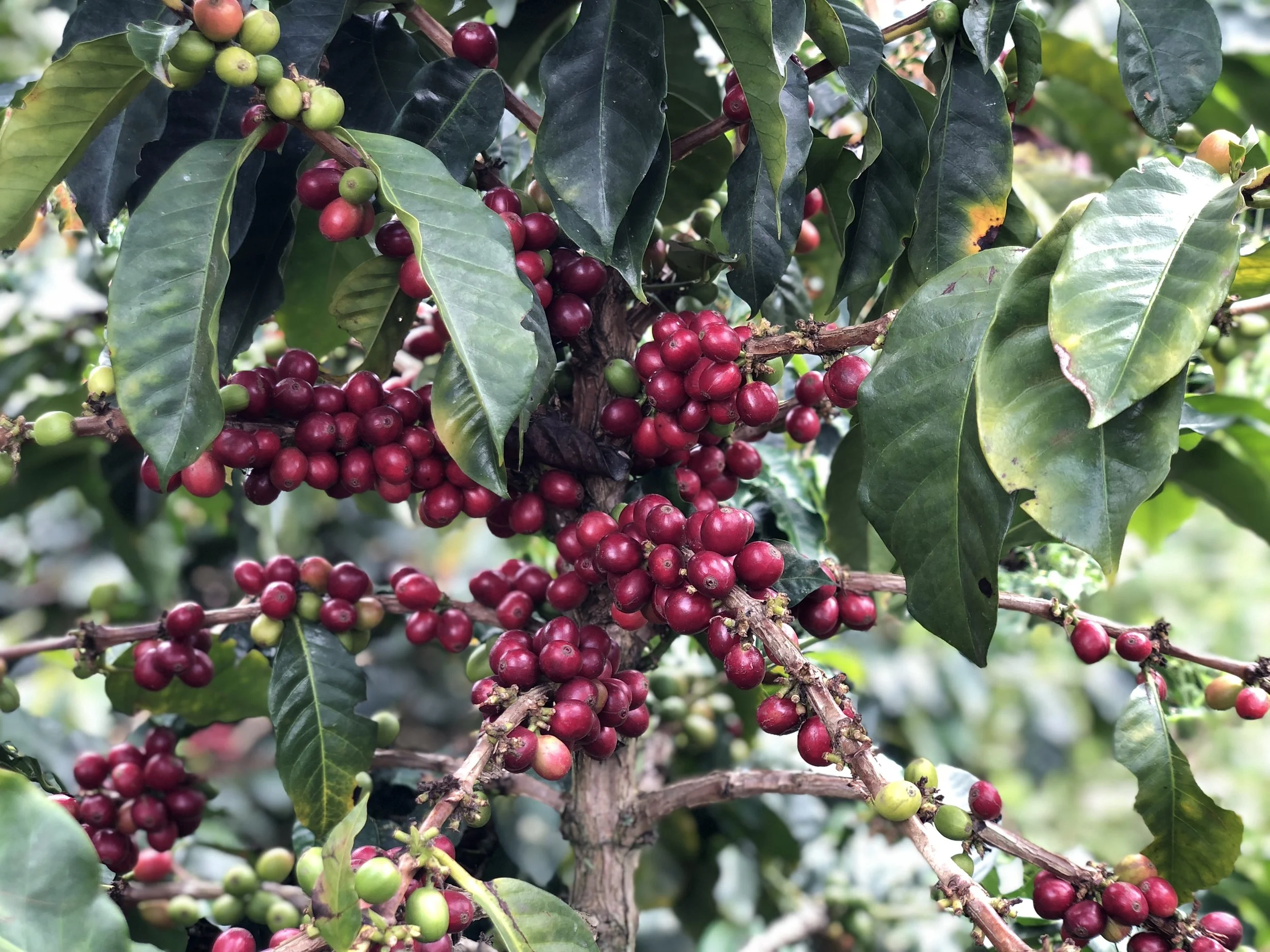 Image 2 of 2
Origin: Muranga County, Kenya | Producer: Iyego Farmers’ Cooperative Society | Variety: Ruiru 11, SL28, SL34, & Batian | Process: Washed | Altitude: 1550 - 1750 MASL | Harvest: 2025
Zesty and juicy, Gatabu AA is bursting with fruity notes of blackcurrant and lime. The fruit-forward vibrancy in the cup is underpinned by dark, sweet notes of molasses giving a syrupy mouthfeel and rich depth of flavour. It’s a perfect summertime coffee.
This AA fully washed lot is sourced from around 600 local farmers. The Gatubu Coffee factory is known for producing high quality coffee through meticulous processing methods. Muranga County, in Kenya’s Central highlands, is home to the slopes and foothills of Mount Kenya. Many rivers run through the region and the soil is rich and volcanic, providing smallholders and cooperatives with the resources to grow some of Kenya’s most fruit-forward coffees. Due to the cool temperatures at altitude, particularly at night time, coffees from Kenya’s central highlands tend to develop and mature slowly, producing very dense, hard beans high in acidity and complexity.
The coffee is wet processed, where the fully ripe cherries are pulped, fermented for 12-48 hours (depending on climatic conditions), washed, then dried slowly over 2-3 weeks on raised African beds until the moisture content is reduced to 10-12%.
Origin: Muranga County, Kenya | Producer: Iyego Farmers’ Cooperative Society | Variety: Ruiru 11, SL28, SL34, & Batian | Process: Washed | Altitude: 1550 - 1750 MASL | Harvest: 2025
Zesty and juicy, Gatabu AA is bursting with fruity notes of blackcurrant and lime. The fruit-forward vibrancy in the cup is underpinned by dark, sweet notes of molasses giving a syrupy mouthfeel and rich depth of flavour. It’s a perfect summertime coffee.
This AA fully washed lot is sourced from around 600 local farmers. The Gatubu Coffee factory is known for producing high quality coffee through meticulous processing methods. Muranga County, in Kenya’s Central highlands, is home to the slopes and foothills of Mount Kenya. Many rivers run through the region and the soil is rich and volcanic, providing smallholders and cooperatives with the resources to grow some of Kenya’s most fruit-forward coffees. Due to the cool temperatures at altitude, particularly at night time, coffees from Kenya’s central highlands tend to develop and mature slowly, producing very dense, hard beans high in acidity and complexity.
The coffee is wet processed, where the fully ripe cherries are pulped, fermented for 12-48 hours (depending on climatic conditions), washed, then dried slowly over 2-3 weeks on raised African beds until the moisture content is reduced to 10-12%.