
 Image 1 of 3
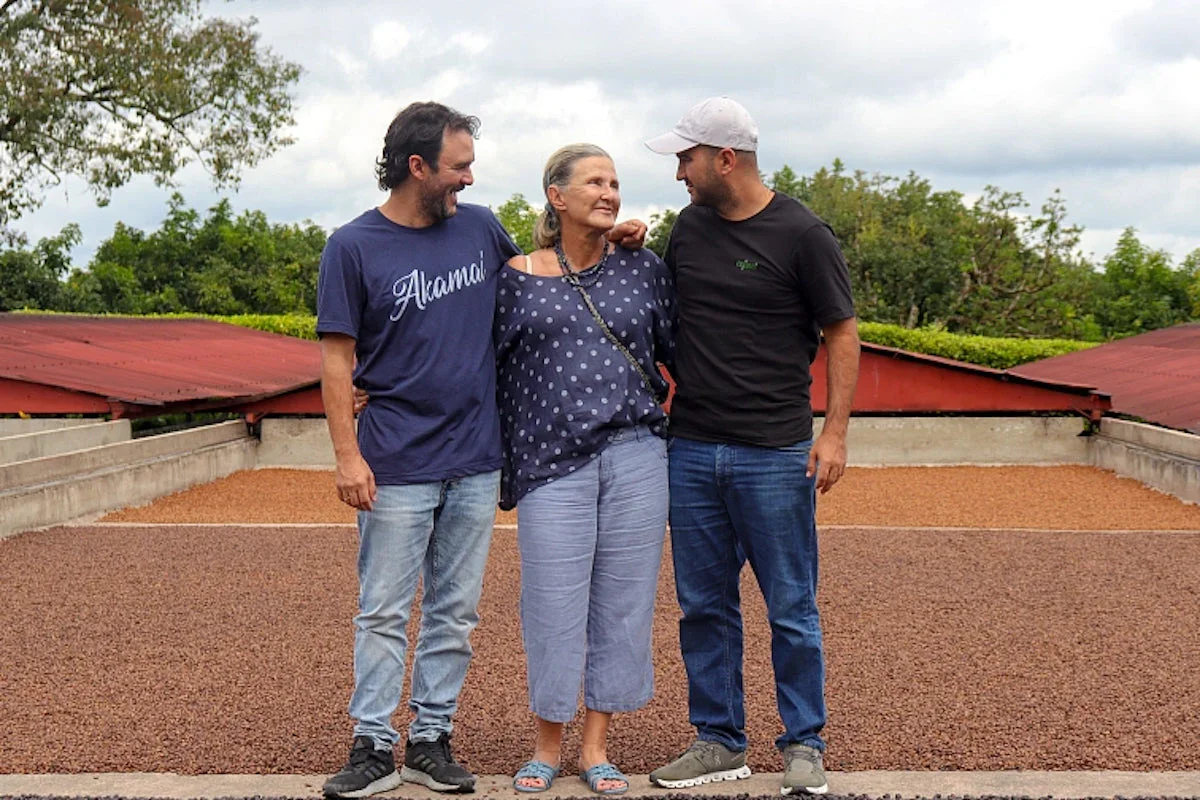 Image 2 of 3
 Image 3 of 3
Origin: Armenia, Colombia | Producer: Luz Helena Salazar | Variety: Gesha | Process: Washed | Altitude: 1450 MASL | Harvest: 2025
Few coffee varieties are as synonymous with speciality coffee as Gesha. Its rise to fame began in 2004, when an American producer based in Panama, Price Peterson, entered an unusually “weird” tasting coffee into the Best of Panama auction. That coffee completely stunned the competition and eventually sold for $21 per pound which was an unprecedented price at the time. Since then, Gesha prices have continued to climb, with a recent Best of Panama winning lot selling for an astonishing $10,005 per pound. In many ways, Gesha redefined what elite coffee could be, and the speciality coffee world has never been the same since.
The variety itself originates from the Gori Gesha forest in Ethiopia. It first arrived in Central America in 1953, when seeds were sent to the Centro Agronómico Tropical de Investigación y Enseñanza (CATIE), an agricultural research and education centre in Costa Rica. During the 1960s, the Panamanian government sought to expand coffee production as a major export industry and commissioned a man named Pachi Serracín to collect diverse coffee varieties from around the world. Among the varieties he brought back from CATIE was Gesha.
These new varieties were planted throughout Panama, though many were eventually neglected or abandoned. Then in the 1990s, Price Peterson decided to expand his family farm, the now world-famous Hacienda Esmeralda. The land they purchased contained several tall, awkward trees that were difficult to work with but the coffee they produced tasted unlike anything they had encountered before. Those trees were Gesha.
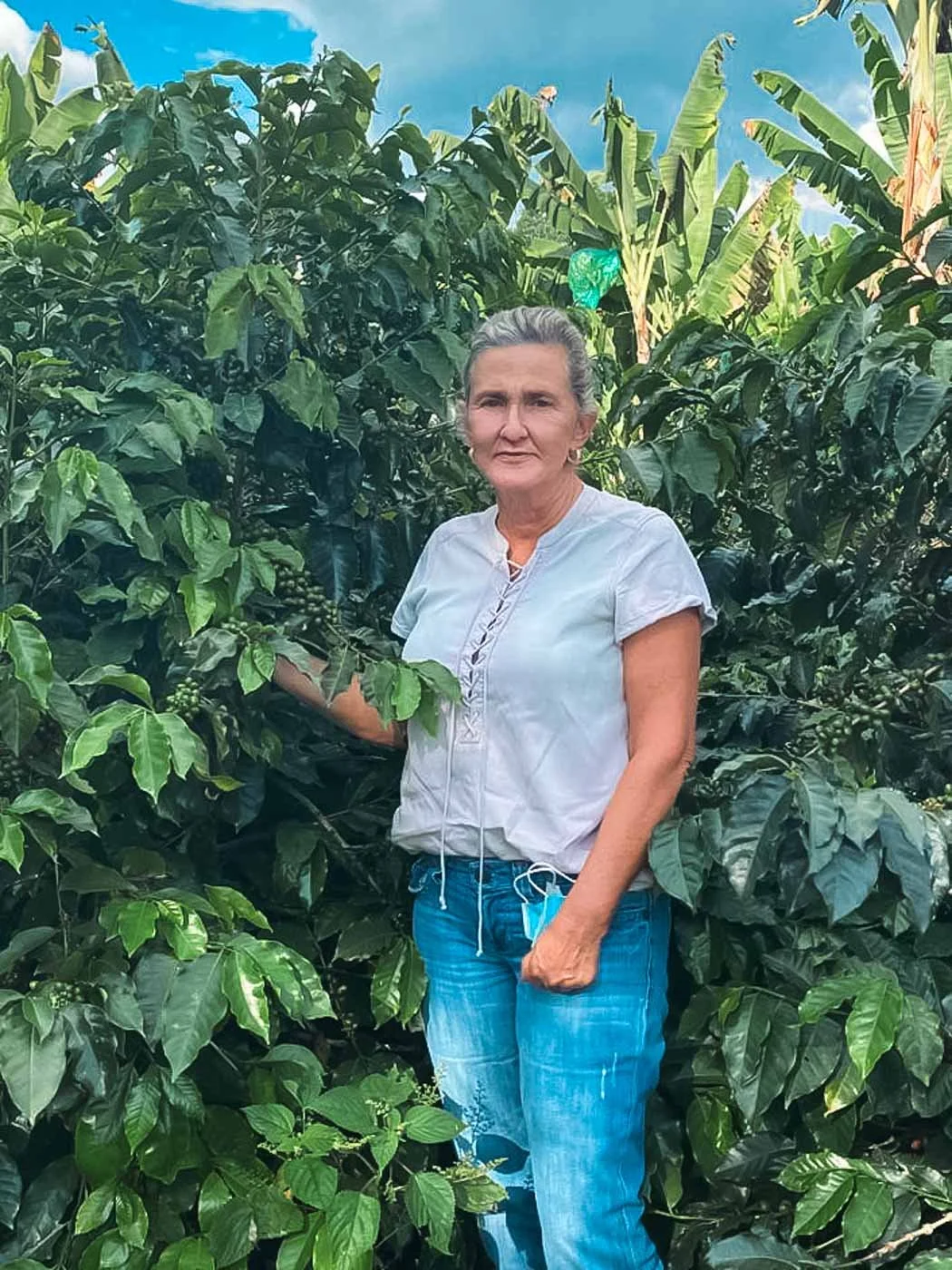
Since then, the variety has spread across Central and South America, prized for its extraordinary floral and fruit-driven character. This lot has been produced by Helena Salazar on her farm Maracay in the Quindio region of Colombia. Luz Helena and her team of pickers selectively harvest only the ripest cherries. The cherries are then transported to Maracay’s sorting area, where the team meticulously hand-sorts and float them to eliminate any low-density, underripe, or defective beans.
Once sorted, the cherries are transported to Cofinet’s processing center, La Pradera. Here, the cherries undergo a 30-hour underwater fermentation—a critical step that enhances the coffee's flavour profile. This controlled fermentation process allows the sugars, organic acids, and other compounds within the cherries to break down gradually, stimulating the development of a complex profile.
The 30-hour fermentation period is carefully calibrated to balance flavour complexity and enhance sweetness. This results in a crisp and lively character.
Such meticulous preparation leads to a coffee that is both vibrant and sweet with notes of strawberries and an elderflower cordial like sweetness. The whole cup is underpinned by heady floral notes that linger long after the final sip.
Origin: Armenia, Colombia | Producer: Luz Helena Salazar | Variety: Gesha | Process: Washed | Altitude: 1450 MASL | Harvest: 2025
Few coffee varieties are as synonymous with speciality coffee as Gesha. Its rise to fame began in 2004, when an American producer based in Panama, Price Peterson, entered an unusually “weird” tasting coffee into the Best of Panama auction. That coffee completely stunned the competition and eventually sold for $21 per pound which was an unprecedented price at the time. Since then, Gesha prices have continued to climb, with a recent Best of Panama winning lot selling for an astonishing $10,005 per pound. In many ways, Gesha redefined what elite coffee could be, and the speciality coffee world has never been the same since.
The variety itself originates from the Gori Gesha forest in Ethiopia. It first arrived in Central America in 1953, when seeds were sent to the Centro Agronómico Tropical de Investigación y Enseñanza (CATIE), an agricultural research and education centre in Costa Rica. During the 1960s, the Panamanian government sought to expand coffee production as a major export industry and commissioned a man named Pachi Serracín to collect diverse coffee varieties from around the world. Among the varieties he brought back from CATIE was Gesha.
These new varieties were planted throughout Panama, though many were eventually neglected or abandoned. Then in the 1990s, Price Peterson decided to expand his family farm, the now world-famous Hacienda Esmeralda. The land they purchased contained several tall, awkward trees that were difficult to work with but the coffee they produced tasted unlike anything they had encountered before. Those trees were Gesha.
Since then, the variety has spread across Central and South America, prized for its extraordinary floral and fruit-driven character. This lot has been produced by Helena Salazar on her farm Maracay in the Quindio region of Colombia. Luz Helena and her team of pickers selectively harvest only the ripest cherries. The cherries are then transported to Maracay’s sorting area, where the team meticulously hand-sorts and float them to eliminate any low-density, underripe, or defective beans.
Once sorted, the cherries are transported to Cofinet’s processing center, La Pradera. Here, the cherries undergo a 30-hour underwater fermentation—a critical step that enhances the coffee's flavour profile. This controlled fermentation process allows the sugars, organic acids, and other compounds within the cherries to break down gradually, stimulating the development of a complex profile.
The 30-hour fermentation period is carefully calibrated to balance flavour complexity and enhance sweetness. This results in a crisp and lively character.
Such meticulous preparation leads to a coffee that is both vibrant and sweet with notes of strawberries and an elderflower cordial like sweetness. The whole cup is underpinned by heady floral notes that linger long after the final sip.